Search

Saved articles

You have not yet added any article to your bookmarks!

Browse articles

GDPR Compliance

We use cookies to ensure you get the best experience on our website. By continuing to use our site, you accept our use of cookies, Privacy Policy, and Terms of Service.

Global food prices fall 1.2% in October: FAO

Global food prices fall 1.2% in October: FAO

The decline was mainly driven by lower cereal, dairy and meat prices, which more than offset a sharp increase in sugar prices and a marginal rise in vegetable oil prices.

பகிரவும் WhatsApp Facebook

Global food commodity prices declined 1.2% in October, supported by lower prices of cereals, dairy products and meat amid weaker import demand, according to data released by the Food and Agriculture Organization of the United Nations (FAO).

The FAO Food Price Index (FFPI), which tracks monthly changes in international prices of a basket of globally traded food commodities, averaged 133.9 points in October 2026, down 1.6 points or 1.2% from its revised September level.
However, despite the monthly decline, the index remained 5.9 per cent higher than its level a year ago, while staying 16.4% below its peak in March 2022.


The decline was mainly driven by lower cereal, dairy and meat prices, which more than offset a sharp increase in sugar prices and a marginal rise in vegetable oil prices.
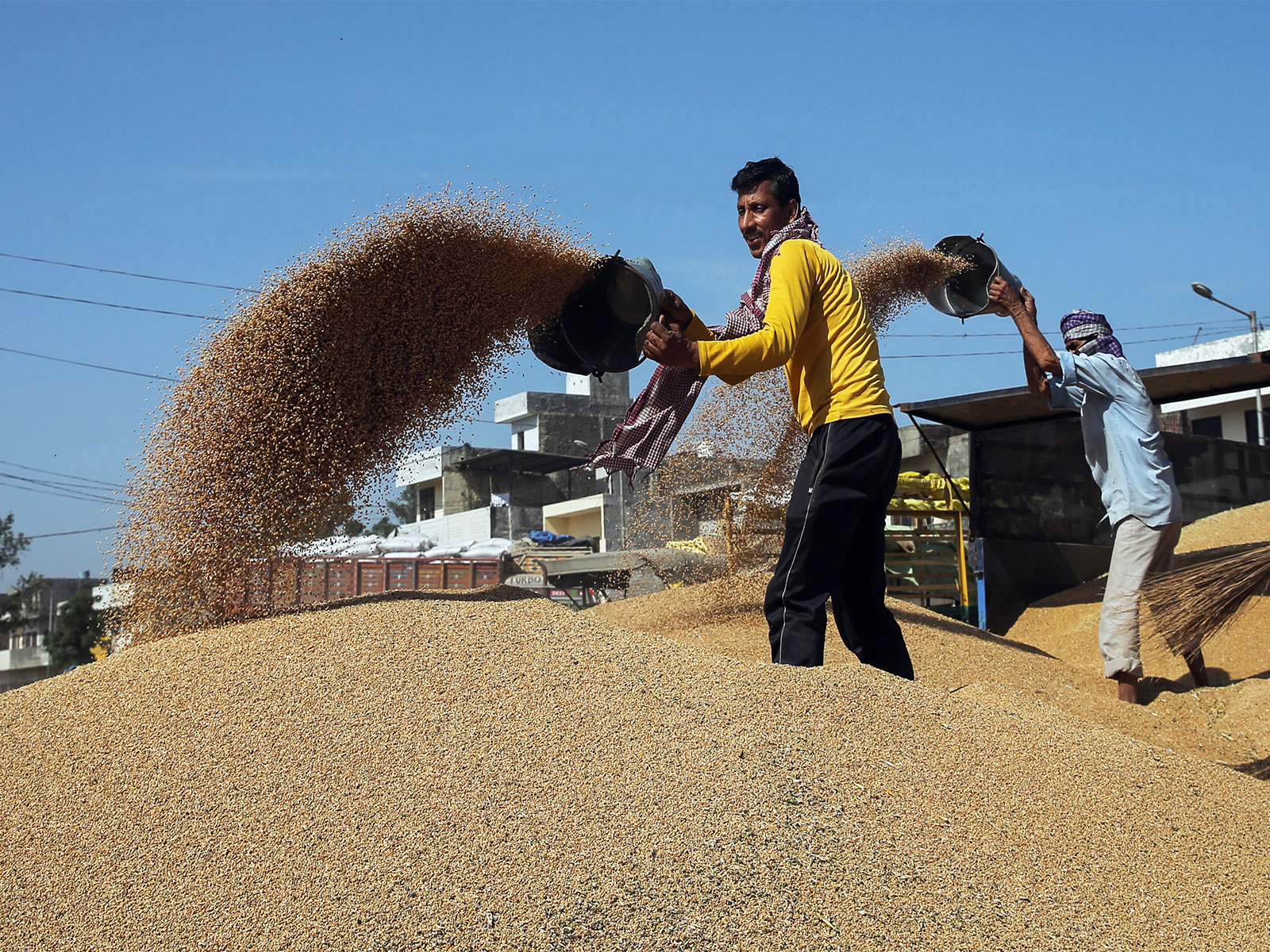
FAO said “The FAO Cereal Price Index fell 4.5% from September. World wheat prices declined following four consecutive monthly increases, largely reflecting subdued international demand and an improving production outlook, particularly in Argentina”.


Expectations of easing restrictions on Black Sea export flows also added to the downward pressure on wheat prices. However, continued disruptions to logistics in the region limited the decline.
International maize prices also eased after reaching a three-year high in September, as harvesting in the United States and expectations of ample supplies from major South American exporters weighed on prices.
In contrast, the FAO All Rice Price Index increased 1.6% in October, as harvest delays in some exporting countries and adverse weather conditions added to price pressures.


The FAO Dairy Price Index declined 1.1% from September, with lower international butter and cheese prices amid ample supplies and subdued buying interest. These declines more than offset further increases in milk powder prices.
The FAO Meat Price Index also fell 1.2% during the month, although it remained slightly above its year-earlier level. Prices of pig, ovine and bovine meats declined, while poultry meat prices remained broadly stable.
The FAO Vegetable Oil Price Index, meanwhile, increased marginally by 0.3%, as higher soybean and sunflower oil prices offset lower rapeseed oil quotations.


Sugar prices moved in the opposite direction, with the FAO Sugar Price Index rising 6.6% from September and 28.8% from a year ago. It marked its fourth consecutive monthly increase and reached its highest level since December 2024.
The FAO attributed the increase mainly to rainfall-related disruptions to sugarcane harvesting and crushing operations in Brazil's key Centre-South region, along with concerns over production prospects in India, the European Union and Thailand during the 2026/27 season.


Separately, FAO forecast global cereal production at 2,999 million tonnes in 2026, which would be the second-highest level on record, although below the record level of 2025.
Global cereal trade in 2026/27 is forecast to decline 3.3% to 507.7 million tonnes, mainly due to an expected 8.6% fall in wheat trade. - ANI

முந்தைய செய்தி
Grid storage, critical mineral push to boost India's energy self-reliance
அடுத்த செய்தி
McKinsey warns AI analysis could weaken leadership pipeline

தொடர்புடைய செய்திகள்