Search

Saved articles

You have not yet added any article to your bookmarks!

Browse articles

GDPR Compliance

We use cookies to ensure you get the best experience on our website. By continuing to use our site, you accept our use of cookies, Privacy Policy, and Terms of Service.

Goyal defends Temple as fitness and AI device

Goyal defends Temple as fitness and AI device

"Temple is strictly a fitness + AI device, and we've made no medical claims. Temple is not proven to diagnose or prevent any disease. It doesn't do anything which replaces the need for you to see a doctor," he said.

பகிரவும் WhatsApp Facebook

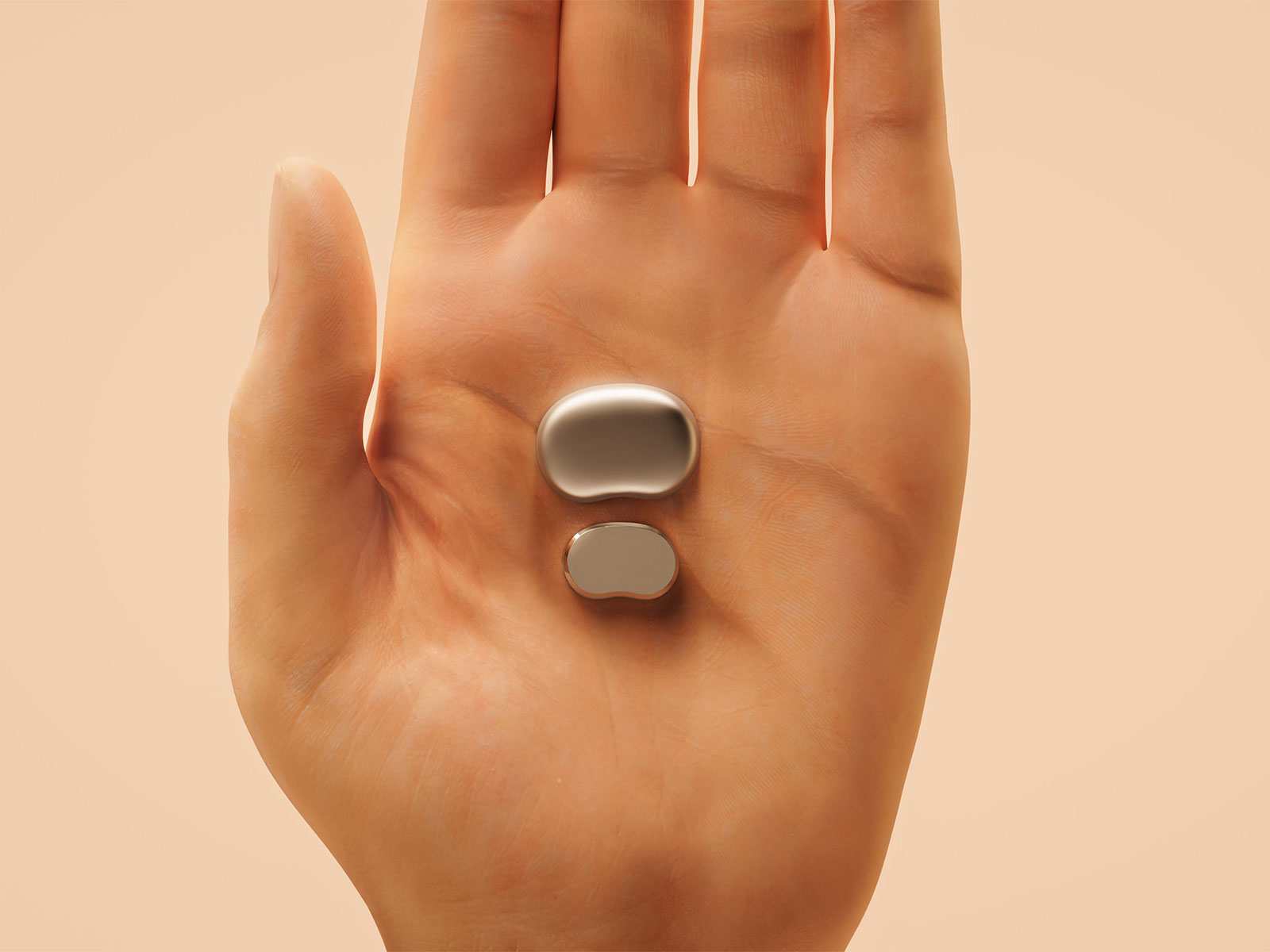
Deepinder Goyal, Founder and CEO of Temple and founder of Zomato, has defended his new Temple device amid criticism over its pricing and technology claims, clarifying that it is designed as a fitness and artificial intelligence (AI) device and is not intended to diagnose or prevent diseases.

In a social media post, Goyal said the company had not made any medical claims about the device and stressed that it does not replace the need for people to consult doctors.
"Temple is strictly a fitness + AI device, and we've made no medical claims. Temple is not proven to diagnose or prevent any disease. It doesn't do anything which replaces the need for you to see a doctor," he said.
His clarification came after criticism and questions surrounding the device, including its pricing and the scientific evidence supporting its features. Goyal said users were free to wait for further research and reviews before deciding whether to purchase it.


"There are different audiences which buy products at various levels of proof. Proof goes from whitepaper -> pre-print -> peer reviewed. You are free to sit on the fence until peer reviewed proof arrives. You are free to not believe it even then. Nobody is forcing you to buy," he said.
Addressing criticism over the price, Goyal said considerable work had gone into developing Temple and that the company had priced it according to what it believed the product was worth.


"If you are upset that the pricing is too high, I am sorry. There's a lot of work that went into Temple, and we priced it at what we think it's worth. If you think it's overpriced, you can wait for user reviews to decide if it's worth your money," he said.
Goyal also clarified that Temple was designed for international markets rather than primarily for Indian consumers. He said the company did not expect India to account for more than 1 per cent of the devices sold.


"The temple is not made for India. It's made for the world. Please check the pricing. We don't expect any more than 1% of Temples being sold in India," he said.
Explaining the technology behind the device, Goyal said Brain Flow was not its main feature. He said the company had started with Brain Flow and that studies on it were the first to be released, while Entropy was the main focus of Temple.


"The main point of Temple is Entropy," he said, adding that the company had not yet published anything on Entropy but planned to do so.
He also said Roomdeaf AI was an expansion of the device's capabilities and the company's broader vision for Temple, rather than a change in direction.


Goyal said he would publish a detailed note explaining how Brain Flow is calculated, its uses and, importantly, its limitations.
He further said the company wanted to compete globally and did not seek support merely because it was an Indian startup. He said people should support the product if they believed in early innovation that could improve people's lives. - ANI


முந்தைய செய்தி
Cement industry faces margin challenge despite 9% volume growth
அடுத்த செய்தி
IT firms may gain as investors shift to AI monetisation

தொடர்புடைய செய்திகள்